The Power of Self-Exploration in Shaping Our Identity

The Power of Self-Exploration in Shaping Our Identity

In a world filled with noise, distractions, and external pressures, it’s easy to lose sight of who we truly are. We are constantly bombarded with messages about who we should be, how we should look, and what we should want. Yet, the most powerful tool we have for navigating through life’s challenges is often the most underutilized: self-exploration. This process of diving deep within ourselves not only helps us understand who we are but also plays a critical role in shaping our identity. It is through self-exploration that we can begin to see beyond the surface and uncover the core of our being, ultimately empowering us to live authentic and meaningful lives.

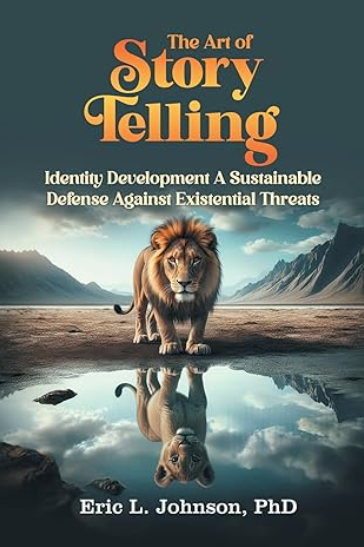
In his book The Art of Storytelling, Eric L. Johnson emphasizes the importance of self-exploration as a foundational part of identity development. He argues that identity is not just a fixed sense of self; it is an ongoing journey that requires conscious reflection and a willingness to engage with the stories we live. By understanding these stories, both personal and collective, we gain the insight needed to navigate life with clarity and resilience.

Why Self-Exploration is Essential to Identity Development

Our identities are formed by the stories we tell ourselves about who we are, where we come from, and where we are going. These stories shape how we perceive the world and how we react to the events that unfold in our lives. However, many of us live according to stories that are handed to us by society, family, or culture without ever pausing to ask if they truly reflect who we are or if they align with our deepest values.

This is where self-exploration becomes crucial. It is through the process of self-exploration that we begin to take ownership of our narrative. Instead of letting external forces dictate our identity, we actively engage in uncovering the truth about ourselves. This process allows us to question and challenge the stories we’ve been living, ultimately creating space for new, more empowering narratives to emerge.

As Johnson points out in his book, identity development isn’t just a rational exercise; it is deeply connected to our emotions, hopes, fears, and aspirations. Self-exploration gives us the tools to reflect on these feelings and gain insight into how they influence our decisions. It’s through this exploration that we learn to understand the motivations behind our actions and the beliefs that drive us, helping us to break free from the limiting patterns that often keep us stuck.

How Self-Exploration Helps Us Understand Our Stories

One of the most powerful insights Johnson offers in The Art of Storytelling is that the stories we live are not just passive reflections of who we are; they are active agents in shaping our identity. In fact, these stories can often blind us to the truth of our experiences, leading us to interpret situations in ways that reinforce old, unhelpful beliefs. For instance, we might see every setback as a confirmation of our inadequacy or view success as something we don’t deserve. These narratives, while they may feel like truths, are often distortions based on our past experiences or societal conditioning.

Self-exploration allows us to step back and reexamine these stories. It gives us the space to ask, “Is this story still serving me?” or “What would happen if I reframe this narrative to better align with my true desires and values?” Through practices like journaling, mindfulness, or therapy, we can uncover the underlying beliefs and assumptions that shape our identities. As we do, we gain the power to rewrite these stories, transforming them from limiting narratives into stories of empowerment and possibility.

For example, if you’ve spent your life believing that you are not worthy of success, self-exploration can help you uncover the origins of this belief. Perhaps it stems from a past failure or the expectations placed on you by others. By understanding the source of this belief, you can begin to question its validity and replace it with a more empowering narrative that aligns with your true potential.

Self-Exploration in Action: Practical Steps for Rewriting Your Story

The journey of self-exploration is unique to each individual, but there are several practical steps you can take to begin this process:

  1. Journaling: Writing down your thoughts, feelings, and experiences is a powerful way to reflect on your identity. Journaling helps you explore the stories you live by, allowing you to examine the beliefs that shape your behavior and decisions.
  2. Mindfulness and Meditation: These practices allow you to become more present with your thoughts and emotions. Mindfulness helps you observe your internal dialogue without judgment, giving you the clarity needed to explore your identity more deeply.
  3. Question Your Beliefs: Regularly ask yourself what you believe to be true about yourself and your world. Are these beliefs serving you? Are they based on your own experiences or someone else’s narrative? By critically examining your beliefs, you can begin to shape a more authentic identity.
  4. Seek Feedback from Trusted Sources: Sometimes, we can’t see our own blind spots. Asking for feedback from trusted friends or mentors can provide new perspectives and help you understand how others perceive your identity. This can be especially useful in understanding the gap between how we see ourselves and how we present ourselves to the world.
  5. Explore New Experiences: Self-exploration doesn’t just happen in the mind; it also happens through action. Trying new things, stepping outside your comfort zone, and engaging in new experiences can help you discover new aspects of yourself and redefine your identity.

Conclusion: A Lifelong Journey of Self-Discovery

The process of self-exploration is not a one-time event but a lifelong journey. As we move through life, our identities will continue to evolve, shaped by our experiences, relationships, and the stories we choose to live. By engaging in self-exploration, we gain the tools to actively shape our identity, ensuring that it aligns with our true selves rather than the expectations of others.

As Eric L. Johnson writes in The Art of Storytelling: Identity Development A Sustainable Defense Against Existential, identity development is not a straightforward path, but rather an ongoing process that requires introspection, reflection, and adaptation.

By exploring our own stories, both the conscious and unconscious elements, we gain the tools to reshape and refine our identities, empowering us to live more authentically. Johnson’s approach aligns with the concept of self-exploration as a process of consciously crafting our identity, moving beyond passive acceptance of societal or cultural narratives to creating a life-defining story that reflects who we truly are. Through this lens, self-exploration becomes a transformative practice that strengthens our understanding of ourselves, just as the book illustrates how our stories can shape our personal growth and resilience. 

Get your copy and start your journey of self-discovery today!

How Our Identities Defend Against Life’s Biggest Existential Threats

How Our Identities Defend Against Life’s Biggest Existential Threats

In life, we’re often told that reality is what it is. But in truth, we don’t react to reality; we react to our perception of reality. And those perceptions? They’re shaped by the stories we tell ourselves and the stories we believe others are living. These stories guide our decisions, color our relationships, and ultimately, define our survival in a world full of change and challenges. This concept is not just abstract; it’s something that affects us all, every day, in both our personal and professional lives.

The Power of Our Stories

Whether it’s an argument with a friend, a conflict at work, or a global crisis, our identities play a role in shaping how we view the world. What’s often overlooked is that our perception of any given situation is framed by the stories we live. These are the narratives we construct, based on our values, experiences, and the people we interact with. And while reality may be the same for everyone, the story we tell ourselves about it can vary drastically, leading to vastly different reactions and conclusions, even when the facts are the same.

Think about a simple scenario: two people receive the same piece of news. One sees it as an opportunity, the other as a threat. Why? It’s not the facts that differ; it’s how each person’s identity, shaped by their personal story, interprets the facts. One person might see an opportunity to grow, while the other might perceive it as a challenge that threatens their current stability. These differences in perception drive behavior, influence decision-making, and ultimately shape the outcomes each person experiences.

Why Do We React the Way We Do?

The reality is, life throws countless existential threats our way, both big and small. Whether we’re facing personal setbacks, challenges at work, or societal pressures, it’s the stories we live that determine how we react. Our personal narratives, grounded in our identities, affect how we interpret threats and opportunities. This means that the way we react to life’s challenges is often more about how we perceive those challenges, rather than the challenges themselves.

For instance, a person with a deeply ingrained narrative of success and overcoming obstacles will likely face a setback by asking, “What can I learn from this?” whereas someone who sees themselves as a perpetual failure might respond with, “This confirms I’m not good enough.” These stories, these personal identities, are not just abstract concepts. They shape our decisions and actions every day, and understanding how they influence us can help us make better choices.

Stories in the Workplace: How They Shape Decisions

On the job, the stories we live shape how we respond to challenges, work with others, and even how we view our own potential. In a professional setting, two colleagues might tackle the same project with similar resources, yet the results can differ. One might see the project as an opportunity to prove their worth, while the other may feel overwhelmed and believe that failure is inevitable. Both individuals are dealing with the same facts, yet their perception, shaped by the stories they live, leads to very different outcomes.

For example, a manager who believes in collaboration might respond to a team challenge by seeking input from everyone, fostering a sense of inclusivity. On the other hand, a manager who perceives authority as a key to leadership might make top-down decisions without consulting the team, leading to possible resentment or disengagement. Again, it’s the story each person tells themselves about leadership and success that influences their actions.

The Ripple Effect: How Our Stories Impact Others

The stories we live don’t just shape our own experiences; they impact the people around us as well. The narratives we hold about ourselves and others influence our interactions, collaboration, and communication. At work, our ability to empathize, collaborate, and support each other is deeply impacted by the stories we tell about who we are and how we relate to others.

Consider a workplace where the story is one of competition, rather than collaboration. In such an environment, individuals may view colleagues as rivals, interpreting every interaction as a potential threat to their success. Conversely, in a workplace where the story is one of teamwork and shared goals, individuals are more likely to approach challenges with a spirit of cooperation and support. These shifts in narrative, which stem from our identities, can make or break a team’s effectiveness.

Changing the Story

The good news is that if we can become more aware of the stories we’re living, we can begin to change them. Whether at work or in our personal lives, understanding how our identities shape our perceptions of reality can empower us to respond to challenges more thoughtfully and constructively. If we notice that our default narrative leads to stress, anxiety, or defensiveness, we can take steps to shift our perspective and reframe the story in a more empowering way.

The key is to ask ourselves: What story am I living? How is this story shaping my decisions, my relationships, and my responses to challenges? And, most importantly, how is it impacting the results I’m getting? By questioning our own narratives, we can better navigate the complexities of life and make choices that align with the outcomes we truly want.

Conclusion: Stories Aren’t Just for Fiction

Our identities are not just the sum of our past experiences; they are the stories we continue to tell ourselves about who we are and how we fit into the world. These stories shape our perception of reality, influence our actions, and impact the results we experience in our personal and professional lives. By becoming aware of the stories we live, we can begin to rewrite them, empowering ourselves to approach life’s challenges with resilience, clarity, and purpose.

Ultimately, life’s biggest existential threats are not just the circumstances we face, they are the stories we tell ourselves about those circumstances. Understanding the power of our own narrative is the first step in defending against those threats and living a life aligned with our true potential.

Want to explore how the stories you live shape your reality? Check out The Art of Storytelling: Identity Development A Sustainable Defense Against Existential by Eric L. Johnson.

The book emphasizes that identity is a dynamic process, continuously evolving in response to challenges, fears, and external pressures. Johnson argues that the stories we tell ourselves about who we are provide a framework for understanding and responding to life’s uncertainties, helping us make sense of adversity and find meaning in the face of suffering.

By exploring these personal narratives and recognizing how they shape our perceptions and reactions, we gain the tools to navigate existential threats with resilience and purpose. Johnson’s exploration of identity development mirrors the idea that a well-developed sense of self acts as a powerful defense against life’s most significant challenges, empowering us to confront uncertainty and grow through it. Get your copy today!