
The Role of Psychological Survival in Human Decision-Making

Every decision we make is influenced by more than external circumstances. Beneath our choices are internal beliefs, emotions, experiences, and personal interpretations that shape how we respond to the world.
Human beings are not only concerned with physical survival. We also seek psychological survival, the ability to maintain a sense of meaning, purpose, identity, and personal value. The decisions we make often reflect our desire to protect our understanding of who we are and where we belong.
Psychological survival influences the way we handle uncertainty, approach challenges, build relationships, and determine what matters most in our lives. Understanding this process reveals why people respond differently to the same situations and why our internal narratives have such a powerful impact on our actions.
What Is Psychological Survival?
Psychological survival is the human need to preserve a meaningful sense of self while navigating the complexities of life. While physical survival focuses on protecting our existence, psychological survival focuses on protecting our understanding of that existence. People naturally seek answers to important questions:
- Who am I?
- What gives my life meaning?
- What value do I bring to others?
- What role do I play in the world?
These questions influence how people interpret experiences and make decisions. The answers we develop become part of our internal framework, guiding our choices and shaping the direction of our lives.
Without a sense of meaning or purpose, decision-making can become uncertain because individuals struggle to determine what actions align with their identity and goals.
How Identity Influences Decision-Making
Every choice we make is connected to how we see ourselves. People often make decisions based on the identity they have developed over time. A person may see themselves as a leader, caregiver, innovator, protector, or survivor, and those beliefs influence how they respond to opportunities and challenges.
Identity affects:
- The risks we are willing to take
- The goals we pursue
- The relationships we prioritize
- The challenges we confront
- The possibilities we believe are available to us
Two individuals can experience the same situation and make completely different choices because they interpret the situation through different personal perspectives.
Our decisions are not simply reactions to events; they are reflections of the stories we believe about ourselves.
The Search for Worth and Meaning
A major part of psychological survival involves understanding personal value. People want to believe their lives matter. They seek evidence that their efforts, relationships, and contributions have significance. This desire for meaning influences motivation and determines how individuals respond to difficulties.
When people have a strong sense of purpose, they are often more capable of navigating uncertainty because their decisions are connected to deeper values. However, when individuals struggle with feelings of inadequacy or uncertainty about their worth, their decisions may become driven by fear, approval-seeking, or the need to protect themselves from perceived failure.
The search for meaning is therefore not simply an emotional desire; it is a fundamental part of how humans organize their lives.
The Role of Fear in Human Choices
Fear is one of the strongest influences on decision-making.
In healthy situations, fear can provide awareness and caution. It can help people recognize challenges, prepare for obstacles, and make thoughtful choices. However, fear can also become a barrier when it controls the decisions people make. When fear dominates, individuals may avoid opportunities, resist change, or create explanations that protect their existing beliefs rather than encourage growth.
Psychological survival requires learning how to recognize fear without allowing it to define every choice. The ability to separate real threats from imagined ones allows people to make decisions based on purpose rather than anxiety.
Building Stronger Psychological Resilience
Psychological survival is not about avoiding hardship. Challenges, uncertainty, and failures are unavoidable parts of human life.
Instead, psychological resilience comes from developing the ability to face difficulties while maintaining a clear understanding of personal values and purpose.
This requires self-reflection:
- Examining the beliefs that guide our decisions
- Understanding the experiences that shaped us
- Recognizing patterns that limit growth
- Creating a stronger connection between our values and actions
As people grow and experience change, their understanding of themselves continues to evolve. A flexible sense of identity allows individuals to adapt without losing their sense of direction.
Conclusion
Behind every decision is a deeper explanation of who we believe we are.
Psychological survival shapes the way we interpret experiences, respond to challenges, and choose our paths forward. It influences not only personal decisions but also the ways groups, communities, and organizations understand their purpose and respond to change.
By becoming more aware of the internal stories that influence our choices, we gain the ability to make more intentional decisions and create lives that reflect our true values.
The journey toward understanding ourselves is ongoing, but every moment of reflection provides an opportunity to strengthen the story we are creating.
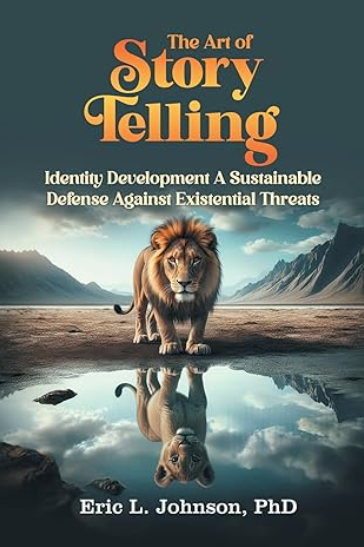
If you are interested in exploring how human beings create meaning, develop identity, and navigate the challenges that shape their existence, The Art of Story Telling: Identity Development: A Sustainable Defense Against Existential Threats by Eric L. Johnson, PhD, offers a thoughtful examination of these powerful ideas.
The book explains that the psychological dimension of identity development helps people answer questions about their worth, contribution, and significance in the world. It highlights that decision-making is deeply connected to the stories individuals create about themselves, as these stories influence how they interpret risks, opportunities, and obstacles. The book further emphasizes that psychological survival involves maintaining the motivation, belief, and sense of purpose necessary to respond to life’s difficulties, while also recognizing that internal fears and perceptions can sometimes become significant challenges themselves.
Explore The Art of Story Telling today and discover a deeper perspective on how identity shapes human behavior, resilience, and the lifelong pursuit of purpose.