Identifying and Breaking Through Psychological Barriers That Hold You Back

Sometimes the biggest obstacles in life are not the ones standing in front of us. They are the ones living quietly inside our own minds. We may call them fear, self-doubt, procrastination, overthinking, insecurity, or perfectionism. But at their core, these psychological barriers shape how we see ourselves, what we believe we deserve, and how far we allow ourselves to grow.
The difficult part is that psychological barriers do not always feel like barriers. Sometimes, they sound like logic. “I’m not ready.” “Now is not the right time.” “I might fail.” “People will judge me.” Over time, these thoughts can become part of the story we tell ourselves about who we are. And once they become familiar, they can feel like the truth.
What Are Psychological Barriers?
Psychological barriers are internal beliefs, fears, or emotional patterns that prevent us from moving forward. They can come from past experiences, criticism, failure, trauma, family expectations, social pressure, or the way we learned to protect ourselves.
For example, someone who failed publicly may develop a fear of trying again. Someone who was constantly criticized may struggle to trust their own voice. Someone who grew up in an environment where safety depended on staying quiet may find it difficult to speak up, even when they have something valuable to say.
These barriers are not signs of weakness. In many cases, they began as survival tools. The problem is that what once protected us can eventually limit us.
How Your Story Shapes Your Limits
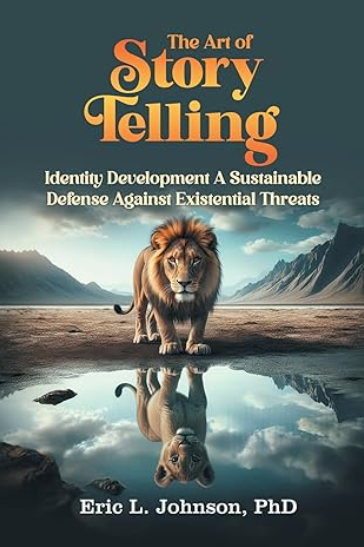
In The Art of Story Telling: Identity Development A Sustainable Defense Against Existential Threats, Eric L. Johnson, PhD, explores how identity is formed through the stories we live by. These stories help us understand who we are, what threatens us, and how we should respond to the world.
This idea matters because many psychological barriers are tied to identity. If you see yourself as incapable, unworthy, invisible, or always at risk, you may unconsciously make choices that support that belief. You may avoid opportunities, silence your ideas, or remain in situations that feel familiar even when they no longer serve you.
Breaking through begins when you ask: Is this belief protecting me, or is it preventing me from becoming who I am meant to be?
Recognizing the Barriers Holding You Back
The first step is awareness. Pay attention to the patterns that keep repeating in your life. Do you avoid certain conversations? Do you talk yourself out of new opportunities? Do you assume rejection before it happens? Do you confuse discomfort with danger?
Psychological barriers often reveal themselves through repeated hesitation. When you notice yourself shrinking, delaying, or assuming the worst, pause and ask what fear is underneath the reaction.
Turning Awareness Into Action
Once you identify a barrier, challenge it with truth and movement. You do not have to change everything overnight. Growth often begins with one honest decision: applying for the opportunity, setting a boundary, asking for help, starting the project, or speaking your truth.
Each small action gives your mind new evidence. Over time, you begin to rewrite the story from “I can’t” to “I am learning,” and eventually, “I am capable.”
Growth Begins Beyond the Barrier
Breaking through psychological barriers is not about becoming fearless. It is about refusing to let fear make every decision. When you understand your inner barriers, you gain the power to respond with clarity instead of habit. That is where real growth begins.
To better understand the stories, fears, and internal patterns that shape your identity, explore The Art of Story Telling: Identity Development A Sustainable Defense Against Existential Threats by Eric L. Johnson, PhD. This insightful book invites readers to examine the deeper narratives that influence how they see themselves, define threats, and respond to life’s challenges.
Through its powerful reflections on identity, fear, self-worth, and personal meaning, the book helps you recognize how psychological barriers can form, and how greater self-awareness can open the door to transformation. Whether you are seeking personal growth, emotional clarity, or a stronger sense of purpose, this book offers a thoughtful guide for questioning old stories and building a more intentional path forward.
Start reading today and take the first step toward understanding the barriers within you, breaking through them, and creating a story rooted in courage, resilience, and growth.