
How Culture Shapes the Way We See Ourselves

How Culture Shapes the Way We See Ourselves

Culture surrounds us from the moment we begin understanding the world. It influences the language we speak, the traditions we follow, the values we develop, and the way we interpret our experiences.

While we often think of identity as something personal, much of how we see ourselves is shaped through cultural influences. Culture provides the framework through which people understand belonging, purpose, relationships, success, and personal responsibility.

The question of how culture shapes the way we see ourselves is deeply connected to identity development. The communities we grow up in and the values we inherit become part of the story we create about who we are and where we belong.

Culture as a Foundation of Identity

Identity does not develop in isolation. People form their understanding of themselves through interactions with family, communities, traditions, and shared experiences.

Culture influences:

  • What we consider important
  • How we define success
  • How we understand relationships
  • What behaviors we value
  • How we respond to challenges

From childhood, cultural environments provide individuals with ideas about what is expected, respected, and meaningful. These influences become part of the internal framework people use to interpret their lives. Culture does not completely determine identity, but it provides an important foundation from which individuals begin building their personal stories.

The Role of Values and Beliefs in Self-Understanding

One of the strongest ways culture shapes identity is through values and beliefs.

Every culture carries ideas about:

  • Responsibility
  • Family
  • Community
  • Achievement
  • Respect
  • Tradition
  • Individual expression

These values influence how people evaluate themselves and others. For example, one person may define success through personal achievement, while another may define success through contribution to family or community. Neither perspective exists independently from cultural influence. The values people develop often reflect the environments that helped shape their understanding of what makes life meaningful.

Culture and the Search for Belonging

A major part of human identity is the desire to belong. People naturally seek connection with groups that provide acceptance, shared experiences, and a sense of purpose. Culture creates these connections by giving individuals common traditions, stories, symbols, and practices that reinforce collective identity.

Belonging helps people answer important questions:

  • Who are my people?
  • What do we share?
  • Where do I fit?
  • What responsibilities do I have toward others?

However, belonging also requires balance. While cultural connections provide strength and meaning, individuals must also develop their own understanding of identity beyond group expectations.

How Cultural Experiences Shape Personal Narratives

People interpret their lives through stories. These stories are influenced by the experiences, beliefs, and cultural environments that surround them.

A person’s cultural background can influence how they understand:

  • Success and failure
  • Strength and vulnerability
  • Independence and responsibility
  • Conflict and cooperation

Two individuals may experience the same event but create different meanings from it because their cultural perspectives influence their interpretation. Culture becomes part of the lens through which people understand their experiences and decide what those experiences reveal about who they are.

The Relationship Between Culture and Personal Growth

Culture provides a starting point for identity, but identity continues to evolve throughout life. As people encounter new experiences, relationships, and perspectives, they may strengthen certain cultural beliefs while questioning or redefining others.

Personal growth often requires balancing:

  • Respect for cultural roots
  • Openness to new perspectives
  • Awareness of personal values
  • Understanding of individual purpose

A strong identity does not require rejecting cultural influence. Instead, it involves recognizing how culture has shaped us while developing a conscious understanding of the person we want to become.
Conclusion

Culture plays a powerful role in shaping identity, influencing how we understand ourselves, connect with others, and navigate the world.

The traditions we inherit, the communities we join, and the values we learn all contribute to the stories we create about who we are. However, identity remains a lifelong process of reflection, growth, and adaptation.

Understanding the influence of culture allows us to appreciate where we come from while becoming more intentional about the future we create.

Our identity is shaped by many forces, and culture is one of the most significant chapters in the story of who we are.

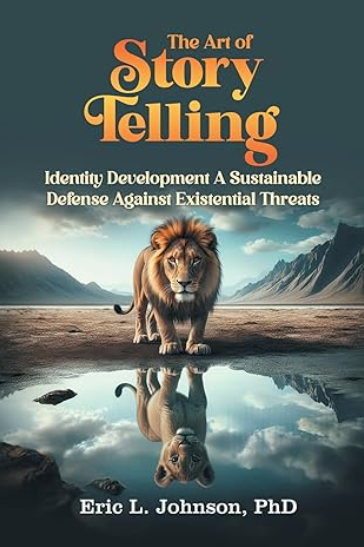
The Art of Story Telling: Identity Development: A Sustainable Defense Against Existential Threats by Eric L. Johnson, PhD explores the relationship between identity, culture, and the experiences that influence how individuals understand themselves and their place in the world. The book considers how personal and collective identities develop through beliefs, values, relationships, and shared experiences.

For readers interested in the connection between culture, identity, and human behavior, this work provides a thoughtful look at how the stories surrounding us influence the way we interpret life and define our purpose. The Art of Story Telling offers a perspective on the forces that shape individual and collective identity, encouraging reflection on how the environments we inherit contribute to the people we become.


The Inner Battle: How We Define Our Worth and Purpose

The Inner Battle: How We Define Our Worth and Purpose

Every person faces an internal struggle that often goes unseen by others: the search to understand our worth, purpose, and place in the world. This inner battle influences the way we view ourselves, the choices we make, and the goals we pursue.

Human beings are constantly evaluating questions such as:

  • Do I matter?
  • What value do I bring?
  • Am I living according to my purpose?
  • How do others perceive me?

These questions are not simply moments of self-reflection; they are part of the deeper process of identity development. The way we answer them shapes the personal story we create about ourselves and determines how we respond to life’s challenges.

Understanding the Search for Self-Worth

Self-worth is the internal belief that our existence has value. It is not only based on achievements, recognition, or external approval. It is connected to how we understand our significance and contribution.

People often measure their worth through different aspects of life:

  • Personal accomplishments
  • Relationships
  • Professional success
  • Social acceptance
  • Ability to overcome difficulties

However, relying entirely on external factors can create uncertainty because circumstances constantly change. A promotion, failure, criticism, or unexpected challenge can influence how people see themselves.

A stronger sense of worth develops when individuals understand that their value is connected to their identity, values, and the meaning they create through their experiences.

The Stories We Tell About Ourselves

Every person creates an internal narrative that explains who they are. These stories are built from memories, relationships, beliefs, successes, failures, and expectations. They influence how we interpret events and determine whether we view challenges as opportunities or threats.

For example, one person may interpret failure as evidence that they are incapable, while another may see it as an opportunity to learn and grow. The event itself may be the same, but the meaning assigned to it creates a different experience.

The stories we tell ourselves become powerful forces that shape confidence, behavior, and decision-making.

The Connection Between Purpose and Identity

Purpose provides direction. It helps individuals understand what they are working toward and why their efforts matter.

A sense of purpose can come from:

  • Helping others
  • Pursuing meaningful goals
  • Creating something valuable
  • Living according to personal values
  • Contributing to something greater than oneself

Identity and purpose are closely connected because people often define their goals based on who they believe they are. When individuals have a clear understanding of their identity, they are better able to make choices that align with their values. When identity feels uncertain, purpose can become difficult to define.

The Psychological Challenges Behind the Inner Battle

The struggle to understand worth and purpose is often complicated by fear, doubt, and comparison. People may question themselves when they experience:

  • Failure
  • Rejection
  • Change
  • Uncertainty
  • Feelings of inadequacy

These moments can challenge the stories people have created about themselves. However, internal struggles can also become opportunities for growth. They encourage individuals to examine their beliefs, develop resilience, and create a deeper understanding of who they are.

The goal is not to eliminate uncertainty but to develop the ability to navigate it with greater awareness.

Building a Stronger Sense of Worth and Purpose

Developing a healthier understanding of self-worth requires intentional reflection.

Some important steps include:

Recognizing Personal Values

Understanding what truly matters helps individuals make choices that feel meaningful rather than simply responding to external expectations.

Accepting Growth and Change

Identity is not fixed. Allowing ourselves to evolve creates space for learning and transformation.

Examining Internal Narratives

Questioning the stories we tell ourselves helps identify beliefs that encourage growth and those that create limitations.

Finding Meaning in Experiences

Both successes and struggles contribute to personal development. Every experience can become part of a larger story of growth.

Conclusion

The inner battle to define our worth and purpose is a fundamental part of being human. It shapes how we understand ourselves, connect with others, and navigate the challenges of life.

While this struggle can bring uncertainty, it also creates opportunities for self-discovery. By examining the stories we create about ourselves, we gain greater awareness of our values, strengths, and potential.

Finding purpose is not about discovering a perfect version of ourselves. It is about developing a deeper relationship with who we are and continuing to grow through every experience we encounter.

The Art of Story Telling: Identity Development: A Sustainable Defense Against Existential Threats by Eric L. Johnson, PhD takes readers into the complex process of how people develop a sense of identity, meaning, and belonging. Through the lens of identity development, the book explores how individuals interpret their experiences, respond to challenges, and build an understanding of their own significance in the world.

For those reflecting on questions of self-worth, purpose, and personal growth, this book offers a compelling perspective on the internal forces that influence human choices and behaviors. The Art of Story Telling encourages readers to look beyond surface experiences and consider how identity, beliefs, and personal meaning shape the lives we create. Purchase your copy today!


The Search for Self: Why Identity Development Never Ends

The Search for Self: Why Identity Development Never Ends

The question “Who am I?” is one of the most enduring questions of human existence. While people often believe identity is something discovered at a certain point in life, the reality is that understanding ourselves is an ongoing process.

The search for self does not end because human beings are constantly changing. New experiences, relationships, challenges, successes, and failures continuously influence how we see ourselves and the world around us.

Identity development is not simply about discovering a fixed answer. It is about continuously examining the beliefs, values, and experiences that shape our understanding of who we are and who we want to become.

Identity Is More Than a Definition of Who We Are

Many people think of identity as a collection of basic characteristics, such as personality, profession, culture, or background. While these elements contribute to identity, they represent only part of a much larger process.

Identity is the story we create to explain our existence. It helps us understand:

  • What gives our lives meaning
  • Where we belong
  • What we value
  • How we respond to challenges
  • What future we hope to create

The way we understand ourselves influences the choices we make and the paths we pursue. Identity provides a framework for interpreting experiences and deciding what those experiences mean. Because life continues to introduce new information, our understanding of ourselves must continue to evolve.

Why Identity Development Is an Ongoing Process

Identity development never truly ends because people are never completely finished becoming who they are. Throughout life, individuals encounter moments that challenge existing beliefs and encourage personal growth. A new career, a relationship, a loss, a success, or a major life transition can reshape how someone understands themselves.

Each experience creates opportunities to ask:

  • Does this still represent who I am?
  • What have I learned about myself?
  • What parts of my identity need to change?
  • What values remain important?

Growth requires the ability to revisit and revise the stories we tell ourselves. A rigid identity can prevent adaptation, while an evolving identity allows individuals to respond to change with greater awareness.

The Role of Experiences in Shaping the Self

The self is created through a combination of internal reflection and external experiences.

Family, culture, relationships, education, beliefs, and personal struggles all contribute to identity development. These influences provide information that individuals use to understand their place in the world. However, people do not simply absorb these experiences. They interpret them and create personal meaning from them.

Two people can experience similar circumstances but develop different identities because they create different stories about what those experiences represent. The search for self is therefore deeply personal. It is shaped by shared human experiences but expressed through individual interpretation.

Identity, Challenges, and Personal Growth

Challenges often become some of the most important moments in identity development. Difficult experiences can force individuals to examine their beliefs, question assumptions, and discover strengths they did not know they possessed.

Struggles can reveal:

  • Personal resilience
  • Hidden abilities
  • Important values
  • Areas for growth
  • New possibilities

Rather than simply being obstacles, challenges can become opportunities to redefine the self. The process of identity development involves learning how to integrate both positive and difficult experiences into a meaningful understanding of who we are.

The Importance of Self-Reflection

Self-reflection is essential in the search for self because it allows individuals to become aware of the narratives guiding their decisions. Without reflection, people may continue following beliefs and patterns that no longer represent their goals or values.

Taking time to examine personal stories allows individuals to:

  • Understand motivations
  • Recognize limitations
  • Identify meaningful goals
  • Make intentional choices

Self-awareness does not provide a final answer to identity. Instead, it creates a stronger foundation for continued growth.

Explore the Deeper Meaning of Identity in The Art of Story Telling

The search for self is not a journey with a final destination. Identity development continues because human beings continue to experience, learn, adapt, and change. Who we are today is influenced by the stories we have lived, while who we become depends on the stories we continue to create.

Embracing identity as an evolving process allows us to approach life with curiosity rather than certainty. It encourages us to recognize that growth is not a sign that we lack identity; it is evidence that we are actively developing it. Understanding ourselves is not about finding one permanent answer. It is about remaining open to the ongoing process of becoming.

Explore the Deeper Process of Identity Development

The Art of Story Telling: Identity Development: A Sustainable Defense Against Existential Threats by Eric L. Johnson, PhD takes a deeper look at how individuals construct meaning through the stories they develop about themselves, their experiences, and their place in the world. The book examines identity as an evolving process influenced by psychological, physical, ideological, and social factors that shape how people understand existence and navigate challenges.

For anyone interested in the lifelong process of self-discovery and the forces that influence personal transformation, this work offers a thoughtful exploration of why identity continues to develop throughout life. Get your copy today!

The Human Need to Belong: Identity, Purpose, and Connection

The Human Need to Belong: Identity, Purpose, and Connection

The desire to belong is one of the most fundamental aspects of being human. From the earliest stages of life, people search for connection, acceptance, and a sense of place within the world around them.

Belonging is not simply about being included in a group. It is about understanding where we fit, what we contribute, and how our existence connects to something larger than ourselves. The relationships we build, the communities we join, and the values we embrace all influence the way we understand who we are.

The human need to belong is deeply connected to identity and purpose. The stories we create about ourselves are shaped by the people, experiences, and environments that surround us. These stories influence how we see ourselves and how we interact with others.

Identity: The Foundation of Belonging

Identity is the framework through which people understand their place in the world. It helps answer important questions:

  • Who am I?
  • Where do I belong?
  • What values guide my choices?
  • What role do I play in the lives of others?

Human identity develops through continuous experiences and interactions. Family, culture, relationships, beliefs, and personal challenges all contribute to the story individuals create about themselves.

Belonging strengthens identity because it provides a sense of connection and recognition. When people feel understood and valued, they often develop a stronger sense of confidence and purpose. When belonging is absent, individuals may struggle with uncertainty about their worth and place in the world.

The Connection Between Purpose and Belonging

Purpose gives direction to human life. It helps individuals understand why their actions matter and what they hope to accomplish. However, purpose is rarely created in isolation. Many of the goals people pursue are connected to relationships, communities, and shared values.

People often find purpose through:

  • Supporting others
  • Contributing to a community
  • Protecting important values
  • Building meaningful relationships
  • Creating something that benefits others

A sense of belonging allows individuals to see themselves as part of a larger story. It transforms personal goals into shared experiences and creates motivation that extends beyond individual achievement.

How Relationships Shape Our Understanding of Ourselves

Relationships serve as mirrors through which people develop self-understanding. The way others respond to us can influence how we view our abilities, values, and importance.

Positive connections can encourage growth by providing:

  • Encouragement
  • Emotional support
  • Shared experiences
  • A sense of acceptance

At the same time, difficult relationships and experiences can also shape identity by influencing how individuals respond to challenges and redefine themselves. The connections people form throughout life become part of the personal narratives they use to explain who they are and where they belong.

The Role of Families, Communities, and Organizations

Belonging extends beyond individual relationships. Families, communities, and organizations all create environments where identity develops. Families often provide the earliest understanding of values, traditions, and connection. Communities offer shared experiences and collective identity. Organizations create spaces where individuals contribute their skills and feel connected to a common purpose.

When these groups maintain a healthy connection between their values and actions, they can strengthen belonging. However, when people feel disconnected from the purpose or values of a group, identity conflicts can emerge. Belonging is not created simply by membership; it is created through meaningful participation and shared understanding.

The Challenge of Defining Ourselves Through Others

While belonging is essential, there is also a challenge in allowing external groups to completely define personal identity. People sometimes create a sense of belonging by separating themselves from others or defining who they are not. This can create divisions and limit understanding.

A healthier approach to belonging involves recognizing shared humanity while maintaining individual identity. True connection does not require people to lose themselves; it allows individuals to contribute their unique perspectives while being part of something greater.

Explore the Deeper Meaning of Identity in The Art of Story Telling

The human need to belong shapes the way we understand ourselves, pursue purpose, and build connections with others. Identity is strengthened through relationships, shared experiences, and the communities that help us define our place in the world.

Belonging provides more than acceptance; it provides meaning. It reminds us that our lives are connected to larger stories and that our choices have an impact beyond ourselves.

As individuals continue to grow and change, the search for belonging remains an ongoing journey. Understanding this need allows us to build stronger relationships, create deeper connections, and develop a clearer understanding of who we are.

The Art of Story Telling: Identity Development: A Sustainable Defense Against Existential Threats by Eric L. Johnson, PhD, reflects on the human need to belong by exploring how identity is formed through connections with families, organizations, communities, and larger social structures. The book explains that individuals do not develop their sense of self in isolation; instead, identity is shaped through interactions, shared experiences, values, and the stories created within the groups they are part of. It highlights that families and organizations provide important frameworks for understanding belonging, purpose, and one’s role in the world, while also influencing how individuals interpret their experiences and define their place within a larger collective.

By examining identity as both a personal and collective process, the book shows that connection is essential to how people create meaning, navigate challenges, and develop a sense of significance within the communities they call their own.

Buy your copy to gain new insight into the human search for meaning, connection, and a place within the larger stories we share.